

Tandem Buggy
FollowOverview
-
Sectors Legal
-
Viewed 17

Company Description
11 Methods To Completely Defeat Your Pushchairsandprams.Uk
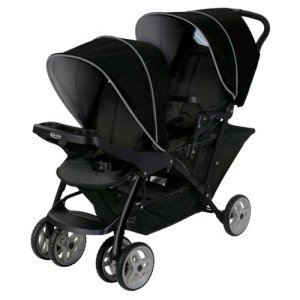
The Comprehensive Guide to Pushchairs and Prams in the UK
When it pertains to inviting a brand-new child into the world, parents have a myriad of choices to make. Amongst these choices, choosing the right pushchair or pram is important. With many alternatives readily available in the UK market, it is necessary for parents to comprehend the differences between pushchairs and prams, their features, and how to pick the right one for their needs. This guide aims to supply important insights into this subject, total with tables, lists, and often asked questions.
Comprehending Pushchairs and Prams
Before diving into the information, it is essential to clarify the distinction in between pushchairs and prams, as this understanding will assist brand-new moms and dads in making an educated choice.
Prams
Prams, frequently described as “carrycots,” are created for babies due to their flat, fully-reclining position. They are preferable for babies who can not sit up separately, providing a safe and comfy area for them to rest.
Pushchairs
Pushchairs, on the other hand, are more versatile and can accommodate older infants and young children. They typically feature adjustable seats that can recline or sit upright, making them suitable for kids who have the ability to sit up on their own. Pushchairs are often lighter, more compact, and easier to steer in urban environments.
Table 1: Key Differences Between Pushchairs and Prams
| Suitable Age | 6 months to 3 years | Birth to 6 months |
| Seat Position | Adjustable, can recline and sit up | Totally flat |
| Frame Weight | Typically lighter | Generally heavier, more stable |
| Portability | More compact, easier for travel | Larger, less portable |
| Canopy | Often includes adjustable canopies | Standard canopy, if present |
Factors to Consider When Choosing a Pushchair or Pram
Selecting the right pushchair or pram needs cautious consideration of numerous factors. Below is a list of essential elements to take into consideration:
- Safety Features: Look for designs with a five-point harness, durable frame, and reliable brakes.
- Weight and Portability: Consider how often you’ll require to transfer the pushchair or pram. Lighter, collapsible designs are frequently chosen for urban living.
- Age Range: Determine the age of your child and pick a model that accommodates their current needs and future development.
- Storage Space: Consider the storage options readily available. A larger basket for bags and child essentials is typically advantageous.
- Maneuverability: Ensure that the pushchair or pram is easy to steer and navigate. Swivel wheels can improve maneuverability, especially in tight areas.
- Budget plan: Prams and pushchairs included differing price. Set a spending plan based on your financial scenario and prioritize features that matter most to you.
Table 2: Popular Pushchair and Pram Brands in the UK
| Bugaboo | Elegant design, customizable choices | ₤ 700 – ₤ 1,500 |
| Silver Cross | Timeless appearance, glamorous materials | ₤ 600 – ₤ 1,200 |
| Britax | Safety-focused, easy to handle | ₤ 200 – ₤ 600 |
| Joie | Cost effective, easy to use styles | ₤ 100 – ₤ 400 |
| Infant Jogger | Excellent for outside use | ₤ 350 – ₤ 800 |
Choosing the Right Model for Your Lifestyle
Your option of pushchair or pram should be aligned with your way of life. Below are various circumstances in addition to ideal alternatives:
-
City Living: If you reside in a busy metropolitan environment, a lightweight pushchair with a compact fold and swivel wheels is ideal. Look for brands like Joie or Britax.
-
Outdoor Activities: For parents who enjoy outside activities, think about a more robust model with much better suspension and bigger wheels, like the Baby Jogger.
-
Long-Distance Travel: For those preparing to travel frequently, a foldable pushchair that suits plane cabins will be essential. Brand names such as Bugaboo deal travel-friendly designs.
-
Multiple Children: If you have twins or kids of various ages, consider a double pushchair with versatile seating arrangements.
Frequently asked questions About Pushchairs and Prams
1. What is the best age to change from a pram to a pushchair?
A lot of parents shift from a pram to a pushchair when their kid reaches around 6 months, or when they can stay up separately. However, this can vary based on your kid’s development and preferences.
2. Do I require to buy a separate safety seat?
Lots of pushchairs work with car seats, permitting travel systems. These can be practical if you regularly move between the car and the pushchair.
3. How do I preserve my pushchair or pram?
Routine upkeep involves cleaning the material, checking for loose screws, and ensuring the wheels remain in good condition. Always describe the manufacturer’s guidelines for specific maintenance pointers.
4. Can I utilize a pushchair or pram on public transportation?
Many pushchairs are developed for simple use on public transportation. Nevertheless, it’s advisable to examine the dimensions and weight to guarantee they abide by public transport guidelines.
5. What is a travel system?
A travel system includes a pushchair that can be easily transformed to accommodate an infant safety seat or a carrycot. This system uses convenience as you won’t require to move your infant in between different seats.
In summary, choosing the best pushchair or pram is a significant choice for brand-new moms and dads. By understanding the distinctions in between pushchairs and prams, thinking about essential aspects, and acknowledging how your lifestyle impacts your option, you can make an educated choice that matches your household’s requirements. Whether you are navigating the streets of London or delighting in a countryside stroll, the ideal pushchair or pram will guarantee that both you and your kid delight in each outing to the fullest.
