

Soffit Board Repair
FollowOverview
-
Sectors Nursing
-
Viewed 10

Company Description
The 10 Scariest Things About Soffit Board Replacement
The Comprehensive Guide to Soffit Board Replacement
Soffit Fascia Board Replacement replacement is a necessary part of home maintenance that numerous homeowners ignore until issues emerge. The soffit, which sits under the eaves of your roof, plays a crucial role not just in boosting your home’s visual appeal but likewise in securing your home from wetness intrusion and bug invasions. This guide explores the intricacies of soffit board replacement, from why it is necessary to how to correctly undertake this job.
What is Soffit?
Soffit describes the product that covers the underside of eaves or arches in a structure. It can be found on both domestic and business structures and can be made from numerous products, including wood, vinyl, aluminum, or fiber cement. The primary functions of soffit consist of:
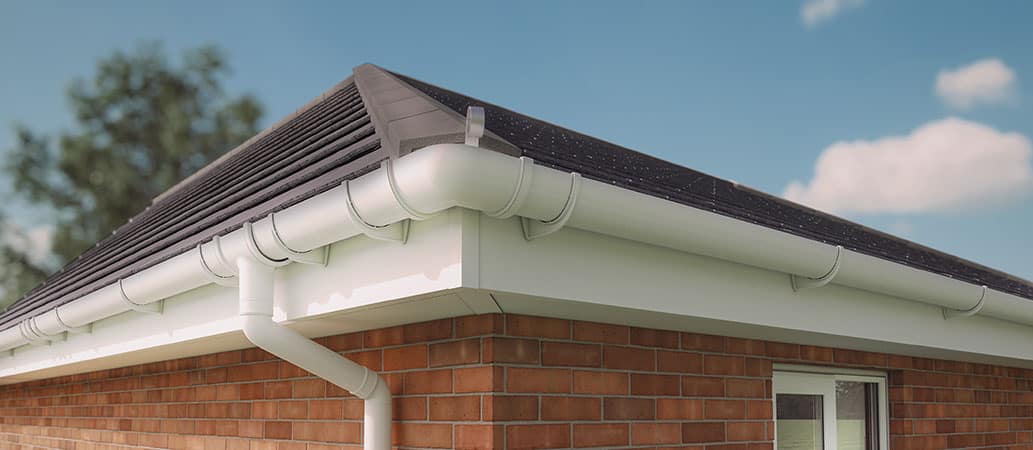
- Ventilation: It permits air to circulate through the attic space, preventing heat accumulation.
- Looks: A well-kept soffit can enhance your home’s curb appeal.
- Protection: It guards rafters and other structural aspects from water damage and insects.
| Ventilation | Facilitates airflow to minimize heat and wetness buildup in the attic. |
| Visual appeals | Enhances the total look of your home’s outside. |
| Protection | Defends structural elements from wetness exposure and insect intrusion. |
Why Replacement is Necessary
With time, soffit boards can degrade due to weather direct exposure, insects, or just due to age. Understanding when to change your soffit boards is vital to keeping your home’s integrity. Common signs that it’s time for a replacement consist of:
- Visible Damage: Cracks, holes, or indications of rotting.
- Insect Infestation: Evidence of bugs or rodents near the soffit location.
- Moisture Issues: Water damage or mold present in or around the soffit.
- Peeling Paint: In paint-based surfaces, peeling can indicate underlying issues.
Materials for Soffit Boards
When considering replacement, the option of product plays a substantial role in the longevity and appearance of the soffit. Here are some common products utilized for soffit boards:
| Wood | Natural appearance, easy to paint or stain | Prone to rot, needs routine maintenance |
| Vinyl | Low maintenance, resistant to moisture | Limited color options, can crack in severe temperatures |
| Aluminum | Durable, light-weight, non-corrosive | Can damage quickly, needs correct installation |
| Fiber Cement | Extremely durable, resistant to rot & & pests | Heavier installation, more costly |
Do it yourself vs. Professional Help
Before starting a soffit board replacement job, homeowners should consider whether to tackle it as a DIY project or employ a professional. Here are some pros and cons for each alternative:
DIY Replacement
Pros:
- Cost-effective considering that labor is not consisted of.
- Flexibility in timing and rate of work.
- Individual satisfaction of finishing the task.
Cons:
- Requires a mutual understanding of roofing structure.
- Safety dangers associated with ladder use or dealing with roofs.
- Possibility of improper installation resulting in future concerns.
Professional Replacement
Pros:
- Expertise ensures appropriate installation and quality materials.
- Conserves time and decreases physical stress.
- Frequently comes with service warranties for craftsmanship and products.
Cons:
- Higher costs related to labor.
- Scheduling can be depending on contractors’ availability.
Steps for Soffit Board Replacement
If a homeowner selects to replace soffit boards themselves, the following actions supply a clear guide:
-
Assess the scenario: Inspect the existing soffit boards for damage. Identify areas that need replacing.
-
Gather Materials: Decide on the product, gather tools (screwdriver, saw, measuring tape, and so on), and buy the needed quantity of Soffit And Fascia Services boards.
-
Remove Old Soffit Boards: Carefully remove the harmed boards. Utilize the ladder safely and guarantee all debris is gotten rid of properly.
-
Set Up New Soffit: Attach the new boards to the designated location. Ensure to follow the producer’s guidelines for the products picked.
-
Completing Touches: Seal edges and joints as needed. Ensure appropriate ventilation is maintained.
-
Tidy Up: Dispose of all old materials and clean the surrounding area.
FAQ
1. How typically should soffit boards be changed?There’s no set timeline for replacement, however checking your soffit boards every 5 years is a great practice. Change them when you find substantial damage.
2. Can I paint vinyl soffit boards?Yes, while vinyl can be painted, it’s suggested to use 100% acrylic paint for optimal adhesion and resilience.
3. Is soffit board replacement a complicated job?While it needs some carpentry skills, it is workable for a lot of house owners ready to commit the time. Nevertheless, if you’re unsure, it’s best to consult a professional.
4. What are the indications of a failing soffit?Typical indications include visual destruction, bug activity, water discolorations, Fascia And Soffit Maintenance mold growth.
5. How do I ensure ventilation after replacement?Make sure to install ventilated soffits if your attic requires air flow to avoid moisture buildup.
Replacing soffit boards is a critical element of home maintenance that should not be neglected. Whether selecting to tackle it personally or hiring a contractor, comprehending the products, procedures, Fascias And Soffits indications of damage will help guarantee an effective replacement. By investing time and resources into maintaining your soffits, you are not only boosting the charm of your home but likewise securing its total structural integrity.
