

Modern Extractor Fan
FollowOverview
-
Sectors Internet of Things - IOT
-
Viewed 13

Company Description
Are You Responsible For A Kitchen Extractor Budget? 12 Tips On How To Spend Your Money
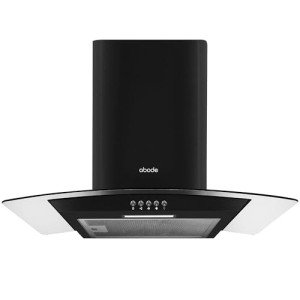
Understanding Kitchen Extractors: Enhancing Your Culinary Experience
A well-ventilated kitchen is necessary not only for comfort however likewise for preserving a hygienic environment. Kitchen extractors, commonly known as range hoods or exhaust fans, play a considerable function in guaranteeing good air quality while cooking. This article takes a deep dive into kitchen extractors, exploring their types, benefits, installation considerations, and essential FAQs.
What is a Kitchen Extractor?
A kitchen extractor is a ventilation device set up above cooking surfaces to get rid of smoke, steam, grease, and smells from the kitchen environment. By effectively expelling these contaminants, it enhances air quality and develops a more pleasant cooking environment.
Kinds Of Kitchen Extractors
Kitchen extractors can be found in numerous kinds, each with distinct features matched for various kitchen styles and cooking habits. Here are the most typical types:
| Chimney Hoods | Wall-mounted hoods including a chimney duct. | Reliable air blood circulation, aesthetic appeal. | Requires duct setup. |
| Under-Cabinet Hoods | Set up beneath kitchen cabinets. | Space-saving, unobtrusive style. | Minimal capture location. |
| Island Hoods | Suspended above cooking islands. | Stylish style, exceptional air flow. | More expensive, requires ceiling space. |
| Downdraft Ventilation | Set up within the cooking surface area and elevates when in usage. | Conserves cabinet space, smooth appearance. | Less efficient in larger kitchens. |
| Wall-Mounted Hoods | Connected to the wall, usually with a glass or metal finish. | Elegant, different designs readily available. | Setup intricacy. |
| Recirculating Hoods | Filters and recirculates air back into the kitchen. | No duct needed, versatile positioning choices. | Less efficient than ducted alternatives. |
Benefits of Installing a Kitchen Extractor
Setting up a kitchen extractor supplies various benefits, consisting of:
- Improved Air Quality: Extractors decrease airborne contaminants, creating a much healthier cooking environment.
- Smell Removal: They efficiently get rid of strong cooking smells, permitting for a more enjoyable kitchen environment.
- Grease Filtration: By catching grease particles, extractors help maintain tidiness, reducing the build-up of grime on cabinets and counter tops.
- Heat Management: Extractors assist regulate temperature in the kitchen, keeping it cooler throughout cooking.
- Increased Home Value: A modern kitchen with a quality extractor can improve your home’s appeal and worth.
Elements to Consider When Choosing a Kitchen Extractor
When choosing a kitchen extractor, numerous essential aspects ought to be considered:
| Ventilation Type | Choose between ducted (straight expels air outside) and recirculating (filters and returns air). |
| Size and Design | Make sure the extractor fits well with your kitchen layout and style; it must be at least as wide as your cooking surface. |
| Suction Power | Determined in cubic feet per minute (CFM); greater CFM offers much better performance, especially in kitchens with heavy cooking. |
| Sound Level | Refers to how much noise the extractor will produce; low-decibel hoods are more effective for a quieter environment. |
| Maintenance | Try to find models with detachable filters for simple cleaning, and check the toughness of products utilized. |
Setup Considerations
Correct setup of kitchen extractors is crucial for optimal performance. Here are some setup tips:
- Height Placement: Ideally, set up the hood 24-30 inches above the cooking surface area for optimal efficiency.
- Ducting Materials: Use smooth metal ducting rather of flexible plastic to boost airflow and decrease grease accumulation.
- Expert Installation: Consider working with an expert for installation, specifically if ductwork is required.
Regularly Asked Questions (FAQ)
1. How do I understand which size kitchen extractor to choose?
The size of the extractor should be at least as broad as the cooking surface area. For maximum efficiency, a hood that extends 3-6 inches beyond each side of the cooktop is advised.
2. What is CFM, and why is it important?
CFM stands for “Cubic Feet per Minute.” It measures the volume of air the extractor can move per minute. The greater the CFM, the more effective the extractor will be at getting rid of smoke, steam, and smells.
3. Can a kitchen extractor be used without ducting?
Yes, recirculating hoods do not need ducting as they filter the air and return it to the kitchen. Nevertheless, they may be less efficient than ducted designs.
4. How typically should I clean my kitchen extractor?
It is a good idea to clean up the filters every month and the outside of the extractor every three months. Regular maintenance helps guarantee optimum efficiency.
5. Are there energy-efficient choices offered?
Yes, some kitchen extractors include energy-efficient motors and LED lighting, which consume less power and can help in reducing energy expenses.
A kitchen extractor is a vital element of a well-functioning modern kitchen. By comprehending the different types, advantages, and setup considerations, homeowners can make informed choices that improve their cooking experience. Prioritizing air quality, comfort, and tidiness through a well-selected kitchen extractor will unquestionably lead to a more enjoyable cooking environment. Whether you’re a casual cook or a cooking lover, buying a quality kitchen extractor is a decision you will not be sorry for.
By adhering to this guide, readers can effectively browse the world of kitchen extractors and elevate their cooking spaces for many years to come.
