Discount Treadmills
FollowOverview
-
Sectors Construction / Facilities
-
Viewed 4

Company Description
Is Treadmill UK As Important As Everyone Says?
Understanding Treadmills: Types, Benefits, and Considerations
Treadmills have actually become an important part of physical fitness culture, providing a practical service for individuals looking for to improve their cardiovascular fitness without the need for outside spaces or weather condition factors to consider. With an array of functions and models readily available, possible buyers need to be knowledgeable to make the very best decision. This post aims to supply a comprehensive overview of treadmills, including the different types, advantages, and aspects to consider when purchasing one.
The Different Types of Treadmills
1. Handbook Treadmills
Manual treadmills are powered by the user instead of an electric motor. They require no electricity and generally feature a simple design with fewer moving parts.
Advantages of Manual Treadmills:
- Cost-effective
- Portable and light-weight
- No dependence on electricity
Drawbacks:
- Limited functions
- Usually do not have incline options
2. Motorized Treadmills
Motorized treadmills are the most typical type, powered by an electric motor. They typically provide numerous features such as programmable exercise regimens, adjustable slopes, and greater weight capacities.
Benefits of Motorized Treadmills:
- Smooth operation and consistent traction
- Versatile with advanced functions for varied workouts
- Options for incline and decrease settings
Drawbacks:
- Higher expense compared to manual treadmills
- Need electrical power and may increase electric costs
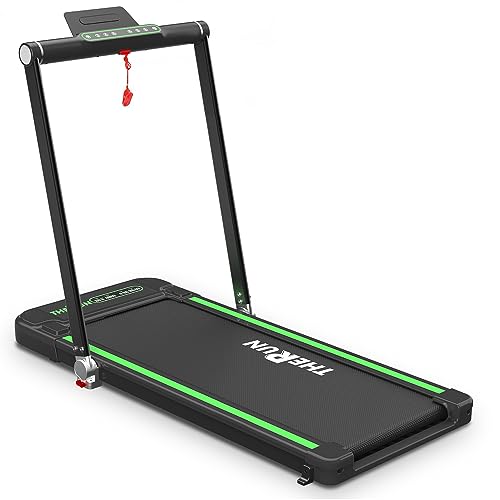
3. Folding Treadmills
Folding treadmills are developed for simple storage, making them perfect for those with restricted space.
Advantages of Folding Treadmills:
- Space-saving design
- Easy to transfer and store
- Ideal for home use where area is at a premium
Disadvantages:
- Typically may have a smaller running surface
- Weight limitation may be lower than non-folding models
4. Industrial Treadmills
These treadmills are built for durability and efficiency, normally found in gyms and physical fitness centers. They are created for high use rates and featured innovative features.
Advantages of Commercial Treadmills:
- Extremely long lasting and frequently supported by service warranties
- Full variety of functions, consisting of advanced training programs
- Ideal for heavy-duty exercises
Drawbacks:
- Higher cost point
- May be too large or heavy for home usage
| Handbook Treadmill | None | Standard exercise metrics | Minimalist users |
| Motorized Treadmill | Electric | Programmable exercises, incline choices | General physical fitness lovers |
| Folding Treadmill | Electric | Space-saving design | Home users with restricted space |
| Business Treadmill | Electric | Advanced training programs | Gym facilities |
Benefits of Using a Treadmill
Treadmills use many advantages for people wanting to boost their physical fitness levels or keep an athletic routine.
1. Convenience
Owning a treadmill permits users to work out at their own schedule, getting rid of reliance on weather. It provides versatility, as exercises can happen day or night.
2. Adjustable Workouts
Numerous contemporary treadmills include customizable programs to accommodate newbies and skilled professional athletes. Users can change speed, incline, and exercise period to make the most of the efficiency of their sessions.
3. Tracking Progress
Most treadmills For the home come equipped with digital display screens that tape-record crucial stats such as distance, speed, calories burned, and heart rate. Monitoring this information helps users track their fitness progress in time.
4. Reduced Impact
Treadmills often offer a cushioned surface that can decrease joint impact compared to running on hard outside surface areas, making them a suitable option for individuals with joint concerns or those recuperating from injuries.
5. Variety of Workouts
Users can engage in numerous workouts on a treadmill, from walking and jogging to interval training and speed work. Some machines even offer integrated courses that mimic outside terrains.
Factors to consider When Buying a Treadmill
When buying a treadmill, people must think about several factors to ensure they make an informed choice.
1. Space Requirements
- Procedure Available Space: Before selecting a design, step where the treadmill will be put to guarantee it fits easily.
- Consider Folding Options: If space is a problem, consider buying a folding treadmill for hassle-free storage.
2. User Weight and Height
- Examine the weight capacity of the treadmill to accommodate its designated users.
- Ensure that the belt length appropriates for users’ strides, especially for taller people.
3. Functions and Technology
- Evaluate whether innovative functions like heart rate screens, Bluetooth connection, and built-in training programs are essential for the desired user.
- Investigate user-friendly interfaces and item reviews on display quality.
4. Service Warranty and Customer Support
- Review warranty choices to understand what is covered and for how long. Some designs might provide extended warranties or warranties for parts.
- Examine the brand name’s reputation for client assistance in case of malfunctions or concerns.
5. Cost Range
- Consider your spending plan but bear in mind that cheaper designs might do not have features, sturdiness, or warranty support.
- Explore financing alternatives if buying a higher-end model.
Frequently asked questions About Treadmills
1. What is the typical life-span of a treadmill?
Usually, a premium treadmill can last between 7 to 12 years, depending on use, maintenance, and construct quality.
2. What is the best treadmill brand?
Popular brand names consist of NordicTrack, Sole Fitness, Precor, and LifeSpan, each understood for their quality and consumer satisfaction.
3. Can I use a treadmill for walking?
Yes, treadmills are best for walking, running, or running, making them flexible for users of all physical fitness levels.
4. How frequently should I service my treadmill?
Regular maintenance is normally recommended every six months to ensure optimum efficiency and durability.
5. Is it fine to work on a treadmill every day?
While operating on a treadmill daily is appropriate for some, it’s a good idea to include day of rest or alternate workouts to avoid prospective overuse injuries.
In conclusion, treadmills remain a popular option for fitness lovers trying to find versatility and customizability in their exercise regimens. By understanding the different types available, their benefits, and key elements to think about during purchase, users can make an informed decision that lines up with their physical fitness objectives and lifestyles.