

Best Rated Mobility Scooter
FollowOverview
-
Sectors Restaurant / Food Services
-
Viewed 14

Company Description
20 Important Questions To Ask About Mobility Scooters For Sale Before You Buy Mobility Scooters For Sale
Mobility Scooters Near Me: A Comprehensive Guide to Accessible Transportation
For people with mobility problems, especially older grownups and those recovering from injuries or surgeries, maintaining independence and mobility is crucial. Mobility scooters have actually become an essential service, using a trusted and comfy means of transport for those who find strolling difficult. However, finding the right mobility scooter and comprehending the options readily available can be frustrating. This guide aims to simplify the process of finding and choosing a mobility scooter near you, ensuring that users can with confidence navigate their lives.
What is a Mobility Scooter?
A mobility scooter is a motorized car developed to help people with restricted mobility. Usually, these scooters feature a comfy seat, handlebars for steering, and a battery-powered motor that propels the car. They are best for both indoor and outdoor use, making it possible for users to take a trip longer distances without fatigue. Mobility scooters come in a range of sizes and styles, each catering to various requirements and environments.
Types of Mobility Scooters
Before diving into the process of finding a mobility scooter near you, it’s important to understand the different types readily available:
1. Three-Wheel Scooters
- Pros: More maneuverable, especially in tight areas.
- Cons: Less steady on uneven surface.
2. Four-Wheel Scooters
- Pros: More steady, better matched for outdoor usage and irregular surfaces.
- Cons: Larger turning radius, may need more space.
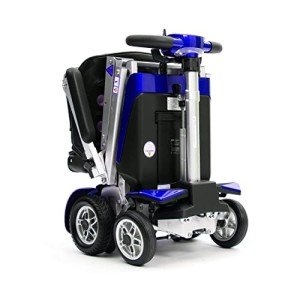
3. Portable Scooters
- Pros: Lightweight and easy to dismantle for transport.
- Cons: May have limited battery life and speed.
4. Heavy-Duty Scooters
- Pros: Built to support heavier users and bring more weight.
- Cons: Larger and less portable.
5. Standing Scooters
- Pros: Ideal for users who prefer standing or have actually limited seating alternatives.
- Cons: May not be as comfortable for longer rides.
How to Find a Mobility Scooter Near You
1. Local Retail Stores
- Pros: Ability to evaluate the scooter before purchasing, instant schedule.
- Cons: Limited selection, higher costs.
- Tips: Visit stores like Walmart, Target, or local medical supply stores. Ask if they provide test drives or have models on screen.
2. Online Shops
- Pros: Wide selection, competitive prices, in-depth product reviews.
- Cons: Can not test the scooter face to face, possible shipping hold-ups.
- Tips: Websites like Amazon, Alibaba, and specialized mobility scooter retailers provide comprehensive alternatives. Check out reviews and compare functions before buying.
3. Rental Services
- Pros: Ideal for short-term requirements, no long-lasting dedication.
- Cons: Costly over time, restricted accessibility in some locations.
- Tips: Check with local medical devices rental companies or online platforms like RentACenter. Ensure the rental arrangement covers maintenance and support.
4. Second-Hand Markets
- Pros: More budget friendly, frequently well-kept.
- Cons: Risk of buying a malfunctioning product, absence of guarantee.
- Tips: Explore classifieds, Facebook Marketplace, and specialized pre-owned mobility equipment stores. Inspect the scooter thoroughly and request for upkeep records.
5. Community Resources
- Pros: Local support and recommendations, capacity for subsidies or grants.
- Cons: Availability might vary by place.
- Tips: Contact local senior centers, disability companies, and community health centers. They frequently have information on local resources and programs.
Elements to Consider When Choosing a Mobility Scooter
1. User Needs
- Mobility Level: Assess the user’s capability to walk, transfer, and deal with the scooter.
- Weight Capacity: Ensure the scooter can support the user’s weight.
- Indoor/Outdoor Use: Determine if the scooter will be utilized mainly inside, outdoors, or both.
2. Scooter Features
- Battery Life: Longer battery life is important for extended use.
- Speed and Range: Consider the speed and variety required for everyday activities.
- Portability: If travel is a top priority, look for lightweight and collapsible choices.
- Seating: Comfortable and adjustable seating is crucial for extended use.
- Storage: Check for storage options for individual items.
3. Budget plan
- Expense: Mobility scooters can vary from a few hundred to several thousand dollars.
- Financing Options: Explore funding choices, insurance coverage, and government assistance programs.
4. Maintenance and Support
- Guarantee: Ensure the scooter includes a thorough warranty.
- Service Centers: Check the accessibility of regional service centers for upkeep and repair work.
- Customer Support: Look for makers with excellent customer support and user resources.
Frequently Asked Questions About Mobility Scooters
Q: Are mobility scooters easy to use?
- A: Yes, a lot of mobility scooters are created with user-friendly controls. They generally have simple steering, speed controls, and braking systems. Nevertheless, it’s constantly a great idea to practice in a controlled environment before using them in public.
Q: Can I utilize a mobility scooter inside?
- A: Absolutely! Many mobility scooters are created for both indoor and outdoor use. They are especially useful in large homes or commercial structures where long distances need to be covered.
Q: How much does a mobility scooter expense?
- A: The expense of a mobility scooter can differ extensively depending on the type, brand name, and functions. Basic models can start around ₤ 300, while advanced and heavy-duty scooters can cost a number of thousand dollars. Inspect for financing alternatives and government help to make it more budget friendly.
Q: Do I need a prescription to buy Mobility scooter a mobility scooter?
- A: No, a prescription is not needed to acquire a mobility scooter. Nevertheless, seeking advice from with a health care provider can assist determine the very best type of scooter for your specific needs.
Q: Can I get insurance coverage for a mobility scooter?
- A: Some health insurance policies, consisting of Medicare and Medicaid, may cover the cost of a mobility scooter under specific conditions. Consult your insurance coverage supplier for details.
Q: How do I keep my mobility scooter?
- A: Regular maintenance is essential to keeping your mobility scooter in good working condition. This includes:
- Charging the Battery: Follow the manufacturer’s guidelines for battery charging.
- Checking Tires: Ensure tires are correctly inflated and in good condition.
- Checking Brakes and Lights: Regularly examine the brakes and lights for correct functioning.
- Cleaning up: Wipe down the scooter and keep it tidy to prevent deterioration and wear.
Leading Mobility Scooter Brands
1. Pride Mobility
- Pros: Known for top quality and resilient scooters.
- Cons: Can be costlier than some other brand names.
- Models: Pride Go-Go Elite, Voyager 4-Wheel Scooter.
2. Golden Technologies
- Pros: Offers a large range of models, including portable and heavy-duty scooters.
- Cons: Some designs might have restricted speed and range.
- Models: Golden Travelmate 3, Golden Companion 4-Wheel.
3. Rascal Mobility
- Pros: Affordable and reputable choices.
- Cons: Limited consumer support in some locations.
- Models: Rascal 20D, Rascal 40.
4. Drive Devilbiss Healthcare
- Pros: Innovative functions and easy to use designs.
- Cons: Higher-end designs can be costly.
- Designs: Drive GX Warrior 4-Wheel Scooter, Drive Medical Roadster 3.
5. Benefit Mobility
- Pros: Versatile and affordable models.
- Cons: Some users report less durability compared to top-tier brand names.
- Designs: Merit Heavy Duty 3 Wheel Scooter, Merit 4 Wheel Foldable Scooter.
Tips for Safe Use of Mobility Scooters
1. Read the Manual
- Why: Understanding the operation and upkeep of your scooter is vital for safety.
- How: Make sure to read the user manual thoroughly before utilizing the scooter.
2. Wear Protective Gear
- Why: Protective equipment can lower the threat of injury in case of a mishap.
- How: Wear a helmet, gloves, and appropriate shoes.
3. Observe Traffic Rules
- Why: Following traffic guidelines guarantees safe and accountable usage of your scooter.
- How: Use designated bike lanes or sidewalks, and follow traffic signs and signals.
4. Regular Maintenance
- Why: Regular upkeep keeps your scooter in optimum condition and extends its life expectancy.
- How: Check the battery, tires, brakes, and lights routinely. Arrange expert upkeep as required.
5. Stay Visible
- Why: Visibility is important, specifically during low-light conditions.
- How: Use reflective gear, lights, and flags to increase presence.
Finding the ideal mobility scooter near you is a crucial action towards maintaining self-reliance and boosting lifestyle. By understanding the different types of scooters, considering your specific requirements, and checking out numerous sources, you can make an informed choice. Whether you select a local shop, an online merchant, or a rental service, the key is to find a scooter that meets your requirements and fits your budget. With the best mobility scooter, you can take pleasure in the flexibility to move around with ease and confidence.
Extra Resources
- Regional Senior Centers: Often know on mobility scooters and regional resources.
- Disability Organizations: Provide insights and assistance for people with mobility issues.
- Federal Government Assistance Programs: Check for grants or subsidies that can help cover the cost.
- Online Reviews and Forums: Read user experiences and ask questions in mobility scooter forums.
By making the effort to research study and pick the very best mobility scooter for your requirements, you can delight in a safer, more comfortable, and more independent way of life.
